Fragrance
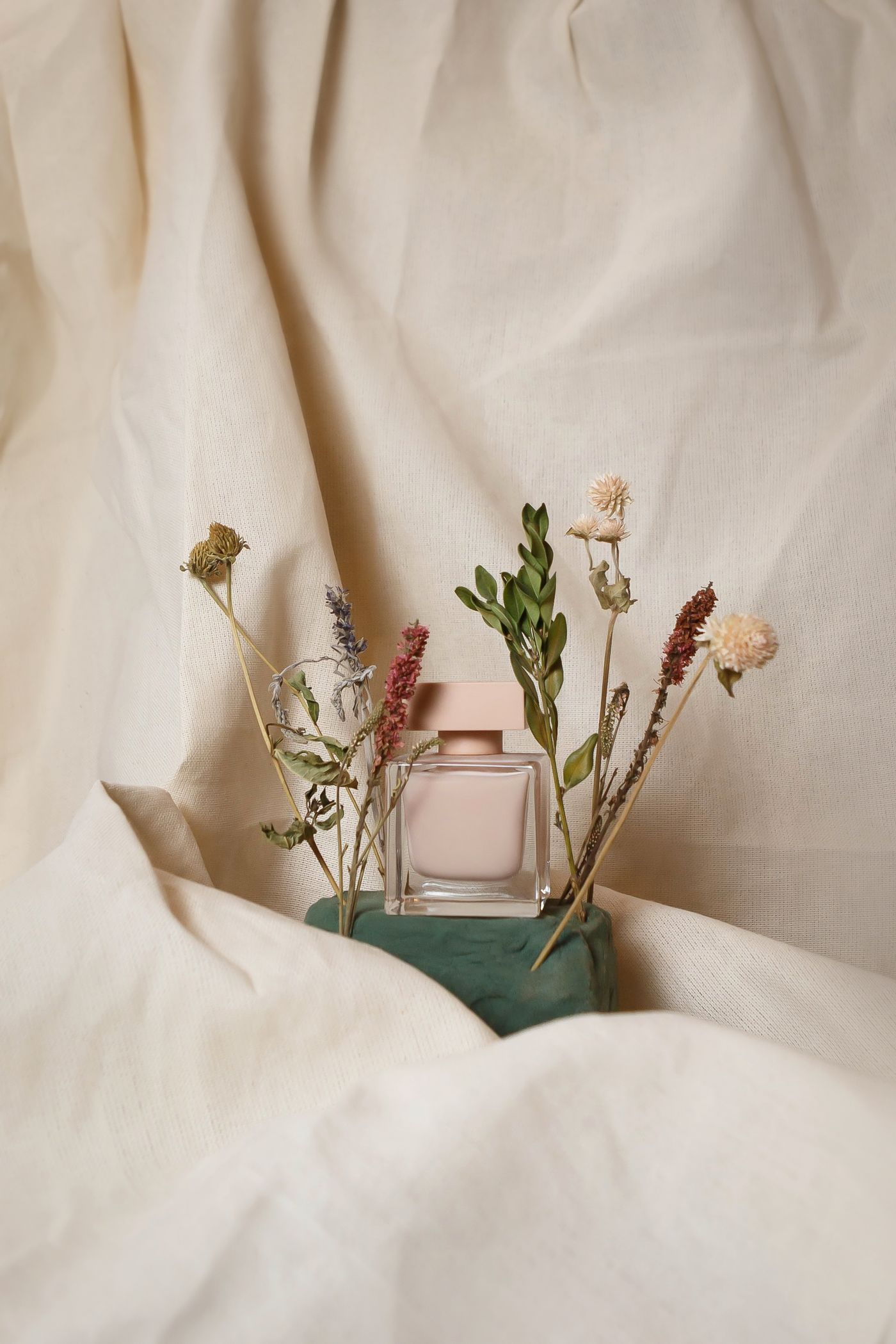
Eau de Toilette and Eau de Parfum: Reading the Label
Fragrance labels often use terms such as eau de toilette and eau de parfum. These can offer a broad clue…
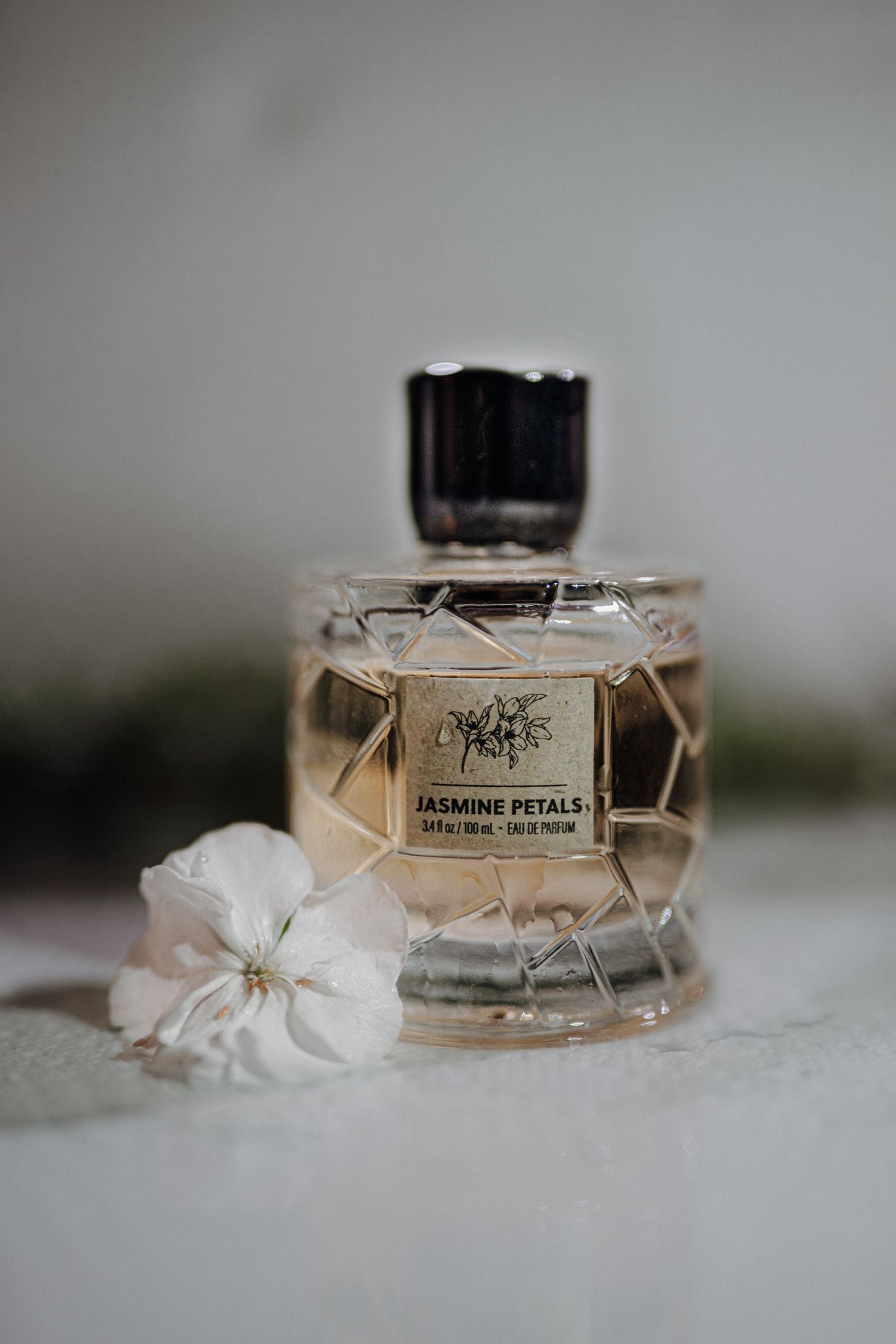
A Closer Look at Citrus Fragrances
Citrus notes can bring a bright first impression to a fragrance, from the familiar character of lemon and orange to…
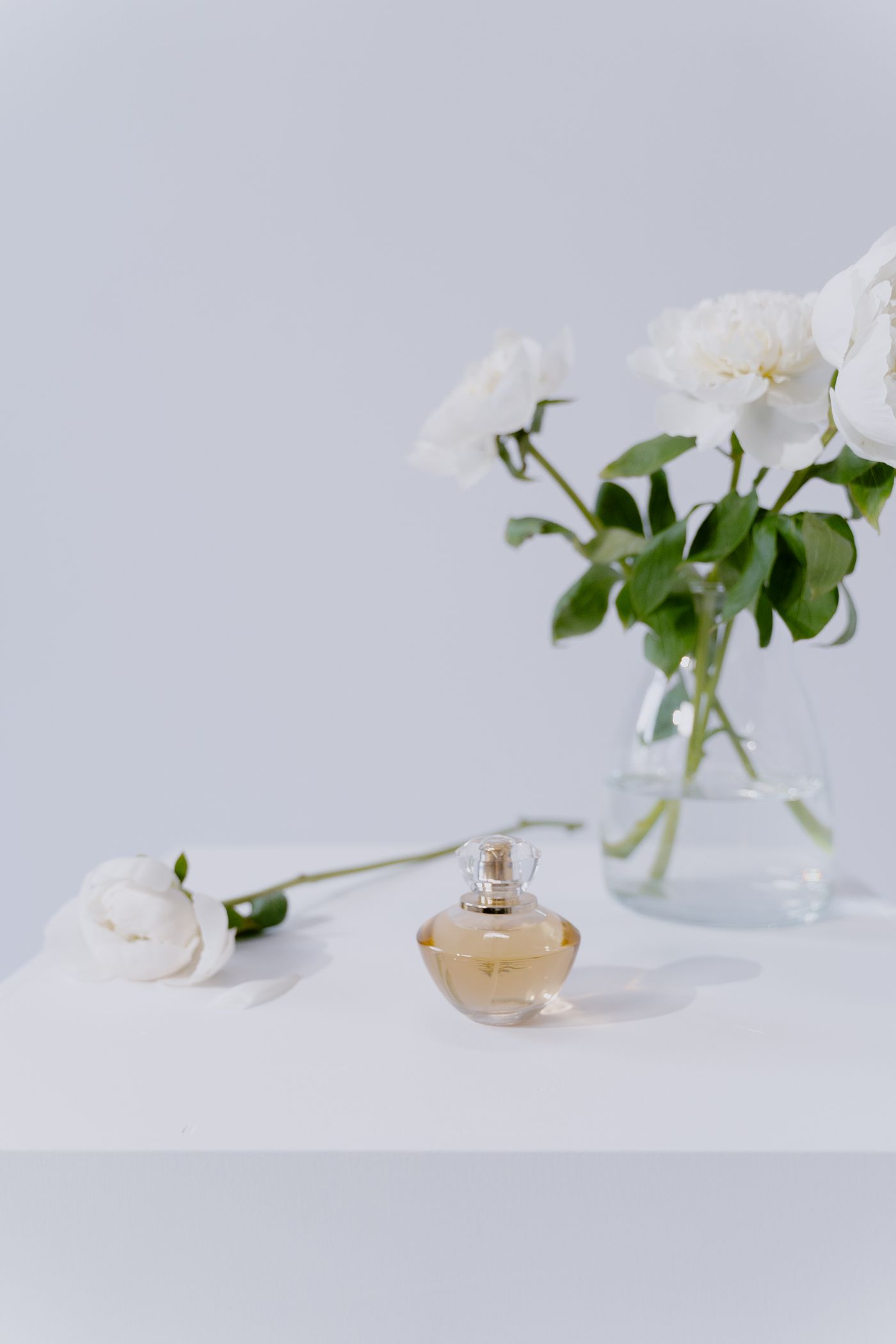
What Does a Perfume Dry-Down Mean?
The dry-down is the stage after a fragrance’s initial impression has settled. It is one reason a scent you enjoy…
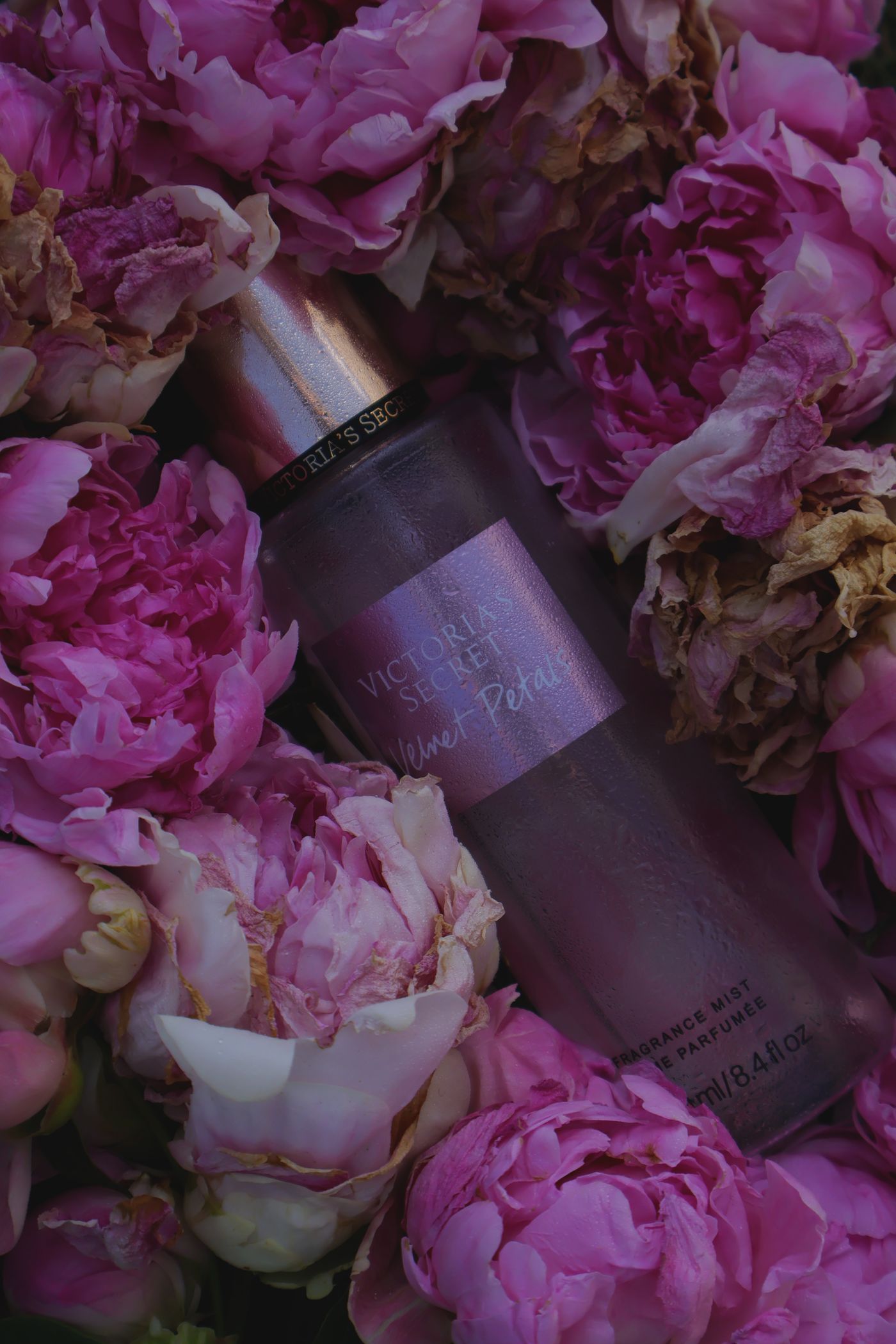
How to Sample Perfume Without Overwhelm
A fragrance counter can be exciting and a little crowded. A simple sampling plan gives each scent more attention and…
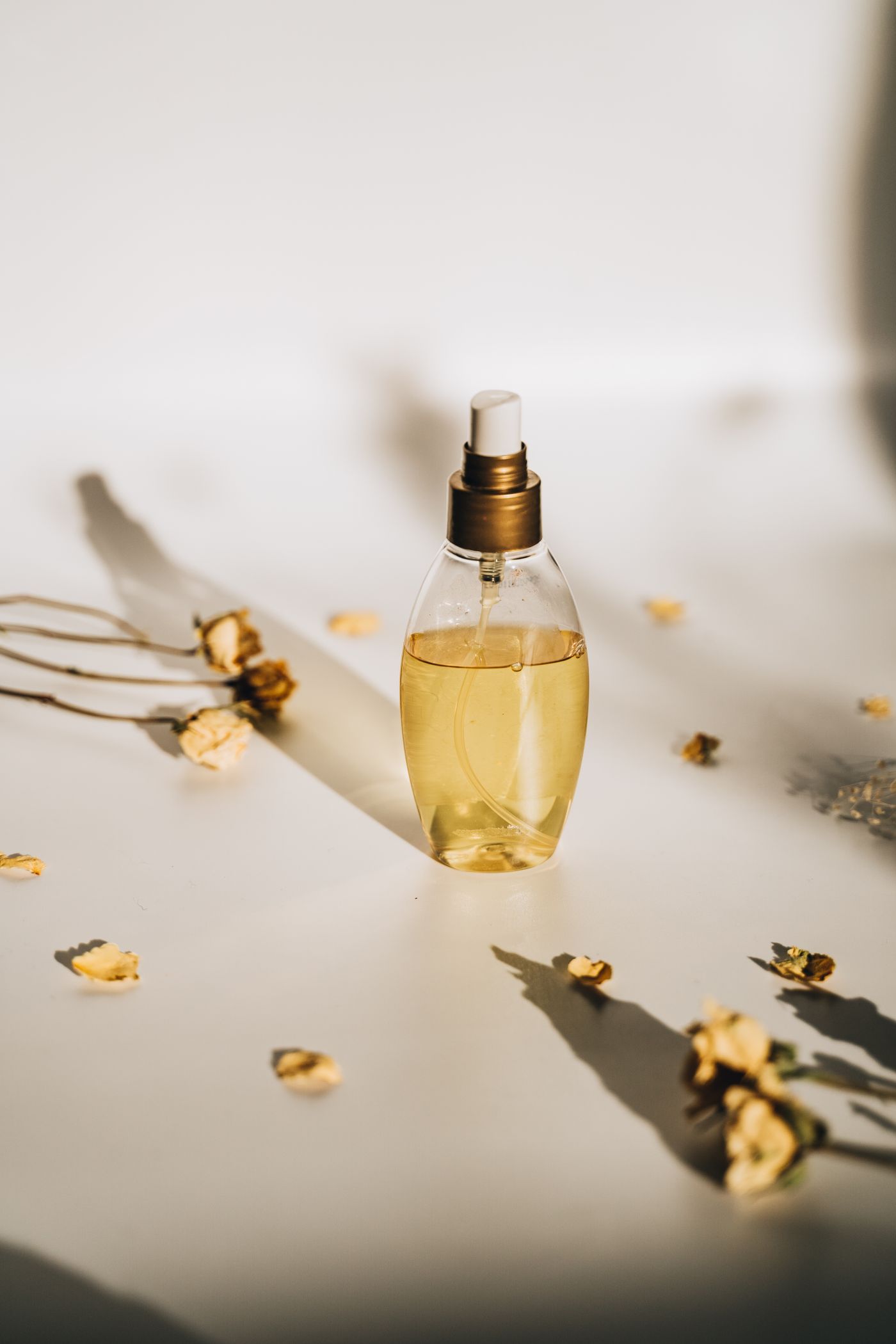
Choosing a Fragrance for Shared Spaces
A favorite scent can be part of a personal routine, but it is also experienced by people nearby. Context matters…

Finding Fragrance Inspiration in Everyday Places
Scent preferences can begin with a memory rather than a perfume counter: fresh laundry, a garden after rain or the…
Fragrance Notes: A Beginner’s Guide
A fragrance description often mentions top, heart and base notes. These are a useful way to describe how a scent…

How to Explore a New Perfume
Choosing fragrance is personal, and a short list of notes cannot tell the whole story. Treat a first encounter as…
Floral, Woody or Fresh: Finding Your Scent Family
Fragrance families are a helpful map for browsing. Floral scents can suggest petals or blossoms; woody compositions may feel dry…
How to Store Perfume Thoughtfully
A little care can help protect your fragrance collection from unnecessary heat and light. Keep bottles closed and choose a…
Creating a Small Fragrance Wardrobe
A fragrance wardrobe can be as small as one bottle and a few samples. The idea is to choose scents…